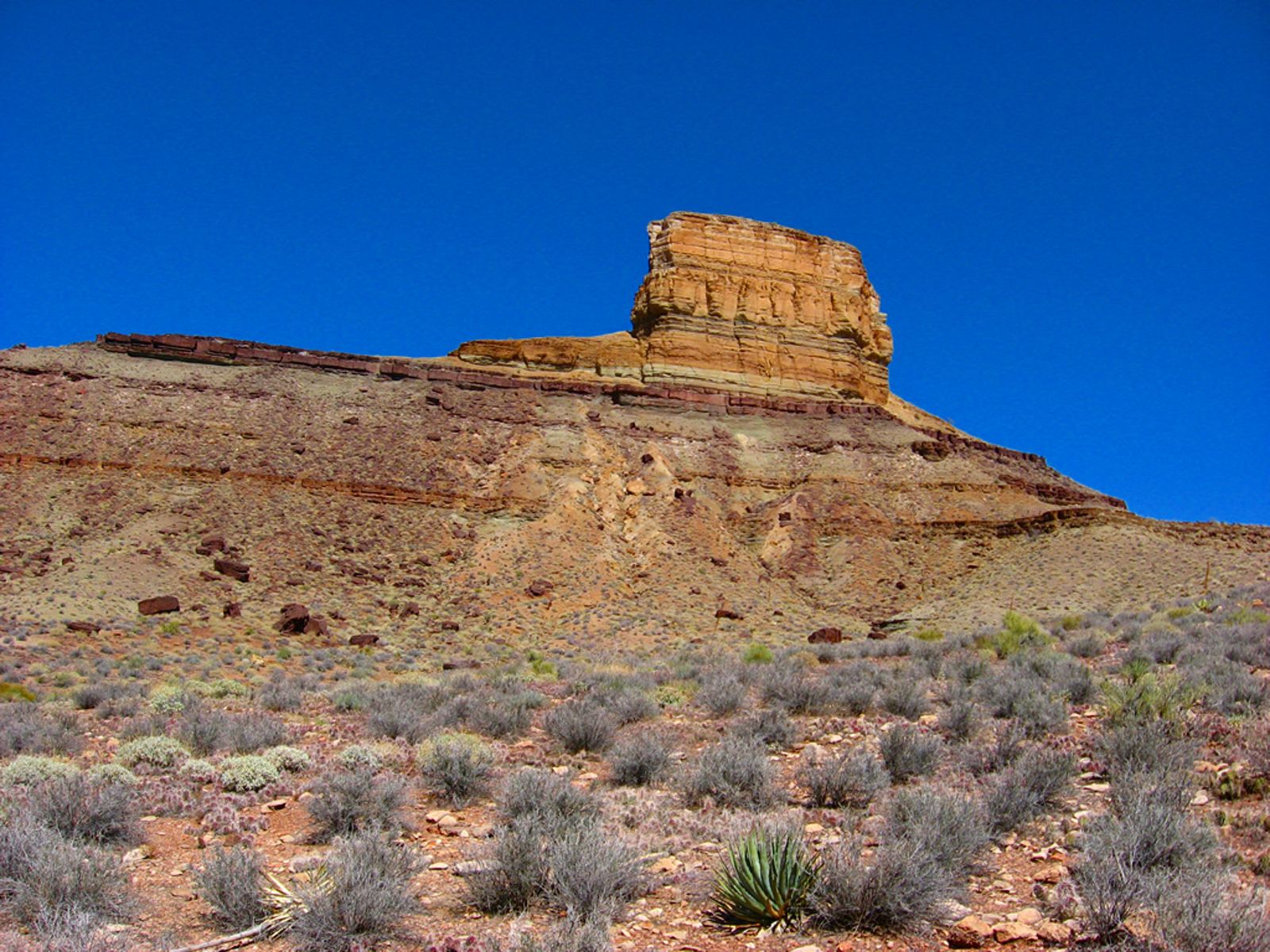
Scylla Butte
One more shape in the canyon's layered interior
About
Scylla Butte is a named formation set within the Grand Canyon's interior, part of the vast maze of buttes and side canyons carved between the rims. Like most interior formations of this kind, it isn't a place you hike to directly — there's no maintained trail leading to it. It's one more shape in the layered rock that fills the space below the rims, the sort of feature you pick out from a distance rather than stand on top of.
The canyon's interior buttes share the same geologic story: horizontal bands of sedimentary rock exposed by the Colorado River's long work cutting downward, with older, harder rock forming the deepest and most rugged formations. Because this feature sits well below the rim with no dedicated overlook or trailhead tied to it, the best way to spot it is with a topographic map in hand from one of the park's established viewpoints, rather than seeking it out on its own.
Best Time to Look For It
Since this is identified from established rim viewpoints rather than approached directly, timing follows whichever overlook you're already visiting.
Good to Know
- It's one more shape in the layered rock that fills the space below the rims, the sort of feature you pick out from a distance rather than stand on top of.
- Bring a topo map or formation guide if correctly identifying this specific butte matters to you.
- Treat any South Rim overlook with a clear line into the interior as a possible vantage point.
Seeing Scylla Butte
Because this feature sits well below the rim with no dedicated overlook or trailhead tied to it, the best way to spot it is with a topographic map in hand from one of the park's established viewpoints.
What You're Looking At: Scylla Butte
Scylla Butte is a named formation set within the Grand Canyon's interior, part of the vast maze of buttes and side canyons carved between the rims. Like most interior formations of this kind, it isn't a place you hike to directly — there's no maintained trail leading to it. The canyon's interior buttes share the same geologic story: horizontal bands of sedimentary rock exposed by the Colorado River's long work cutting downward, with older, harder rock forming the deepest and most rugged formations.
Reviews
See all on GoogleNo reviews yet for this listing.